

What if you wereinfinitely more creative?

A close crop of an eye, looking straight into the camera

We’ve found a way as humans to
invent tools to design the world
around us since our earliest days.

But some thinkers have asked what
happens when you go beyond tools
and the machine works as a genuine
design partner to you instead.

Looking at this history of design
helps explain why Rivet exists today.
Tools,Then& Now

The earliest design tool

In medieval times, the makers of the
time wrote on parchment. Because
parchment was expensive and
scarce, it was hard to try ideas.

Paper became abundant before the
Renaissance. Early designers like
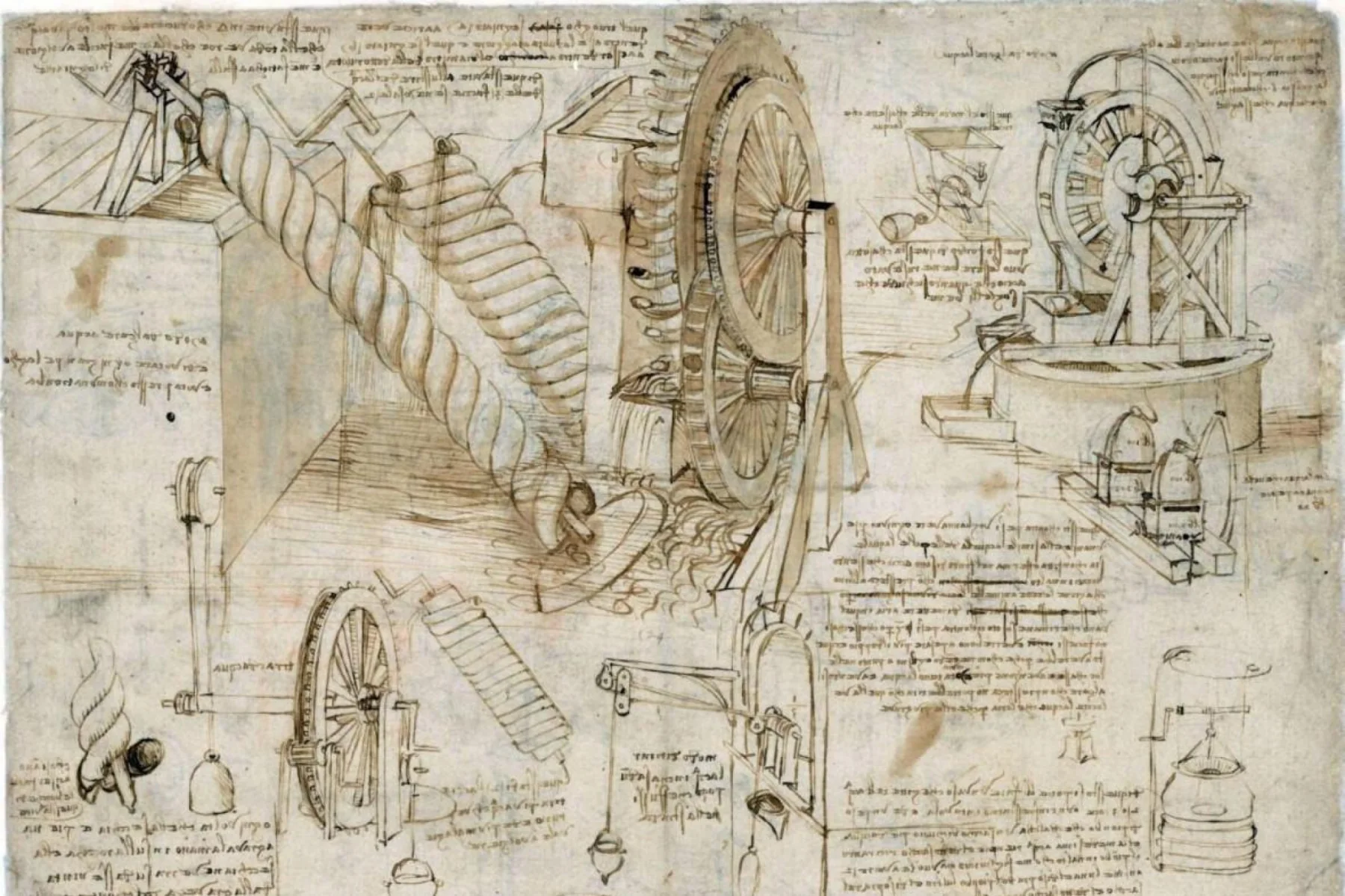
Leonardo now had notebooks
to fill with ideas. Because it got
cheaper to explore a design, more
ideas flourished.

Parchment was the original design
tool. It was a blank canvas that
invited the owner to pour their
ideas into.

Leonardo da Vinci sketches of mechanical inventions on aged paper

Tools kept progressing

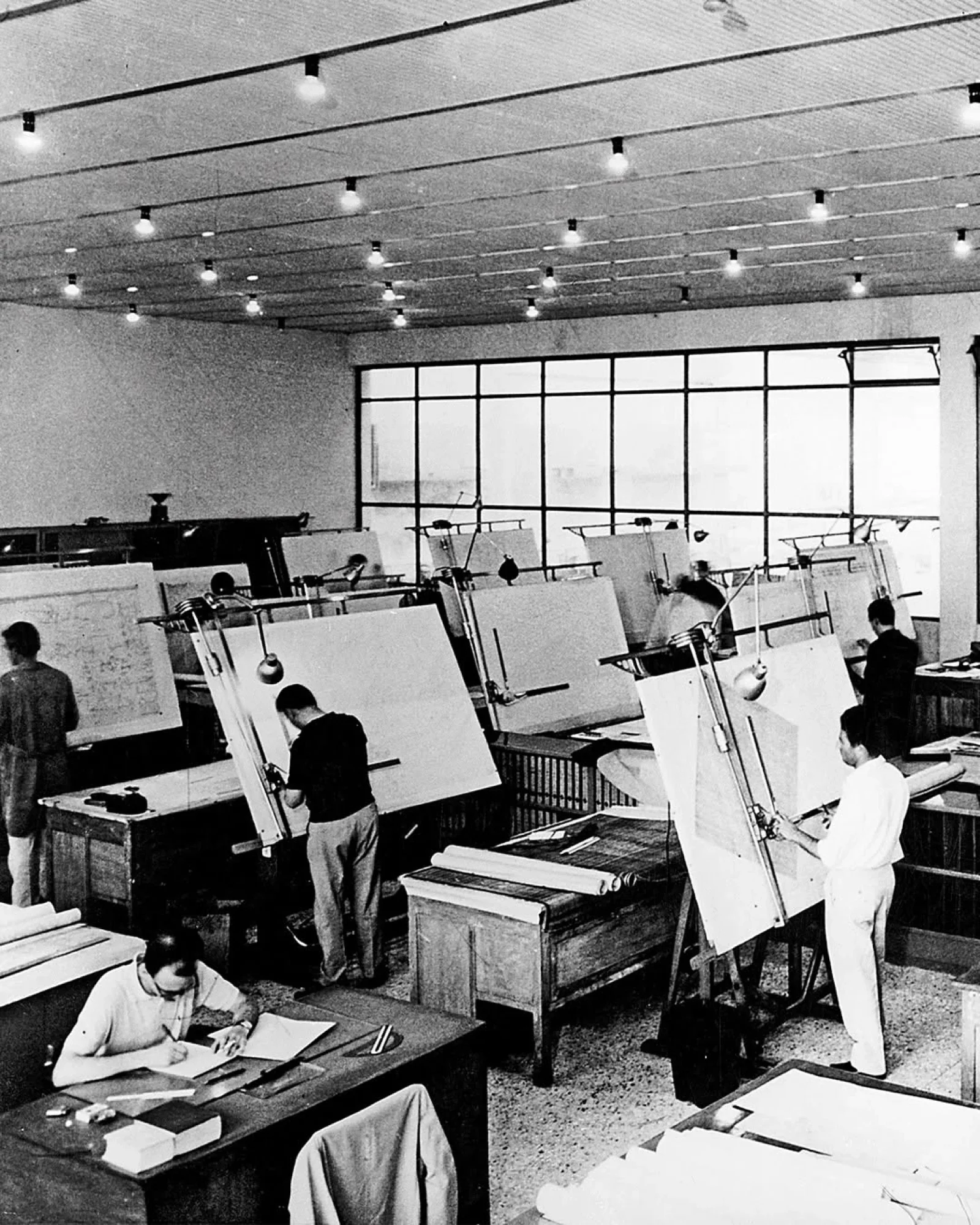
Drafting tables of the 1960s. The
earliest computer-aided design
programs of the ’70s. The
beginnings of modern design
software with Photoshop, then
Sketch and Figma.

With each new tool, it became
easier to explore, change, and
develop an idea.

Designers working at drafting tables in a mid-century design studio

The canvas is still a canvas

Yesterday’s and today’s tools are
closer than you might think.
Modern tools like Figma are like
digital parchment. They’re
flexible and expressive, but it’s
dependent on you to fill in.

They don’t understand you.
They can’t challenge or
augment your thinking.

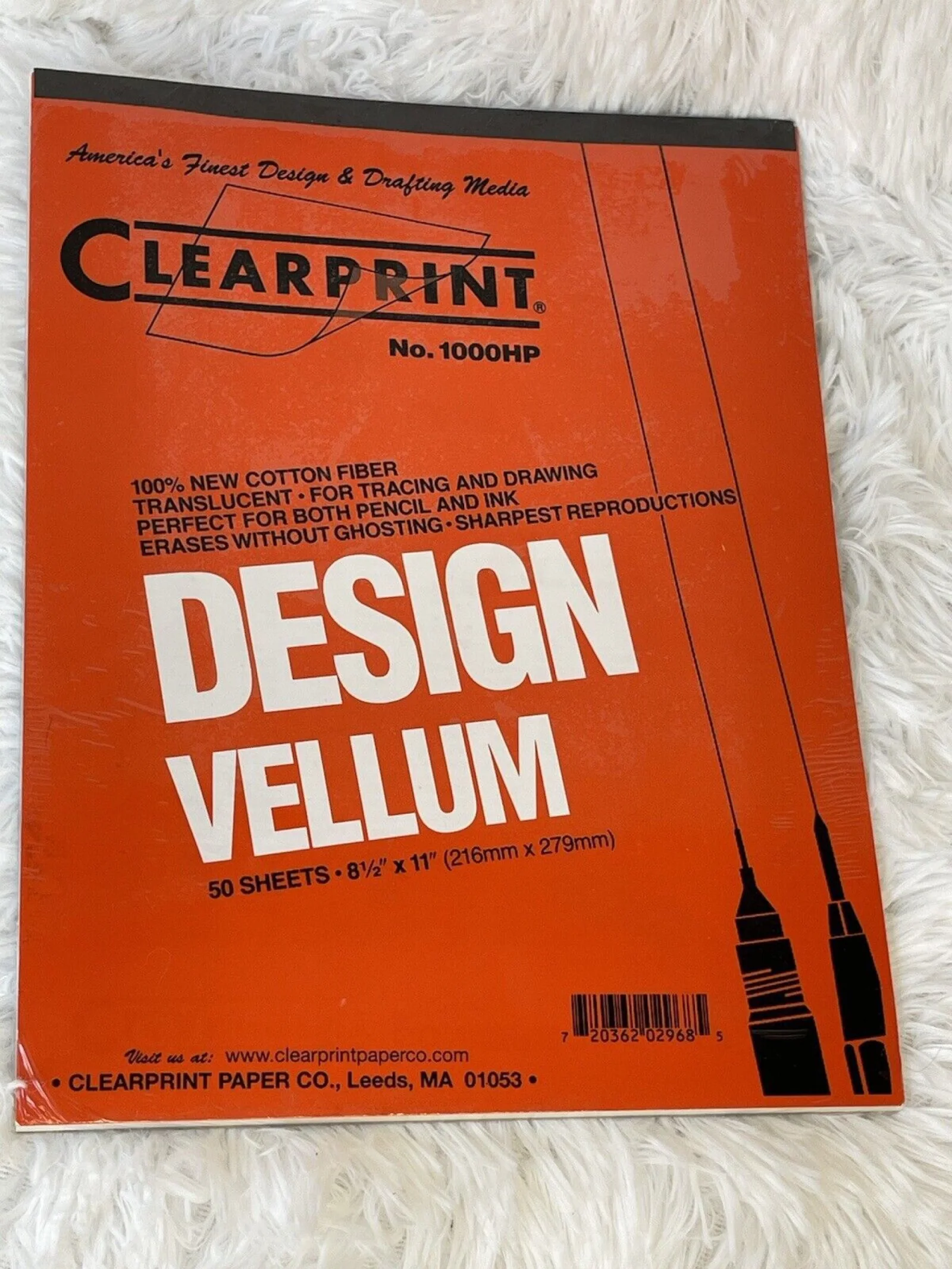
A package of translucent design vellum used for tracing and drawing

From tool to partner

Since the earliest computers came
out, a small group of thinkers have
asked a different question of our
design tools instead:

What if they could act
as a partner to you?

What if you, the designer, had a
partner that helped you explore
infinitely more ideas?

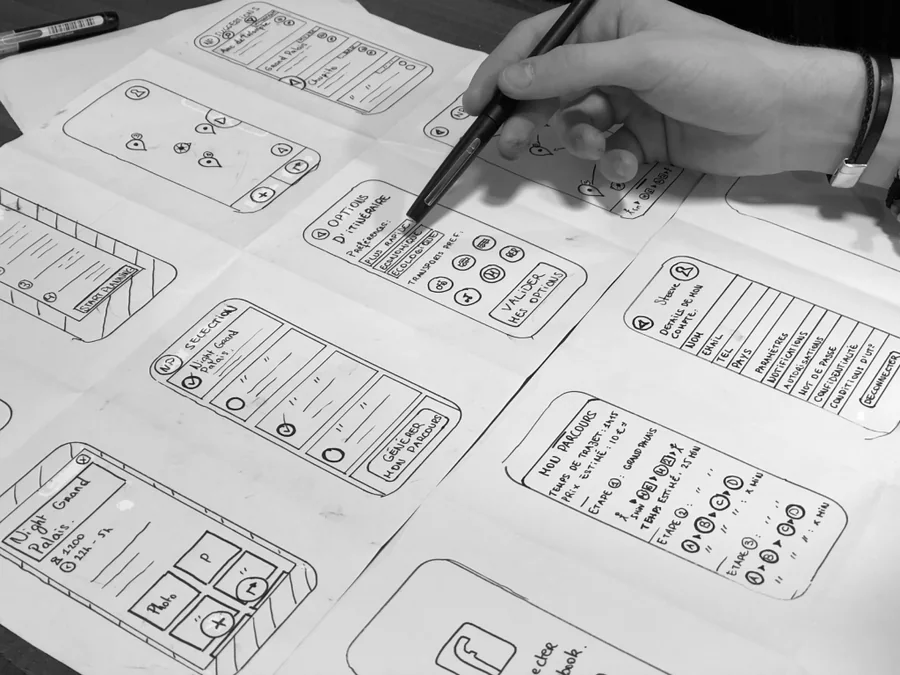
Technical drawings laid out on a drafting surface

A designer with Rivet becomes more like a creative director .

Today, designers have to leave great ideas unexplored. There just isn’t enough time to prototype every interesting direction. Rivet gives you the space to explore the ideas you’d otherwise leave behind.

Rivet is a different way of designing that helps you explore dozens of ideas. It takes the time to understand your references and aesthetics, explores on your behalf, and then composes tools with you to refine your interface.

Why Rivet? A rivet is a small connective piece of metal that joins two materials together. They’re composable. Thousands or even millions of rivets form remarkably complex structures. It felt like the right word to name a company that wants to join designer and machine.

Go give Rivet a try

We’d love to hear what you think and shape a fresh way of designing together. We’re building Rivet for people who love design and don’t want shortcuts on the path to great work. And if you’d like to join us, we’re hiring for the Rivet founding team today.

Rows of rivets joining the metal panels of an aircraft

Join
Rivet

We’re an early, spirited team in San Francisco now hiring for founding members to come join us.

We’re inspired by the arts and humanities, enamored by the discipline of design, and believe that the next way that humans design with intelligence will be through an engine that understands them.

Contact us